Source handmade velvet green lampshade for Dining Room, Office, and Home Lighting
Explore 30 listings for handmade velvet green lampshade options suitable for dining rooms, offices, and home lighting decoration. Buyers can compare specifications, materials, and customization features from verified suppliers in China.
Key considerations
Products List
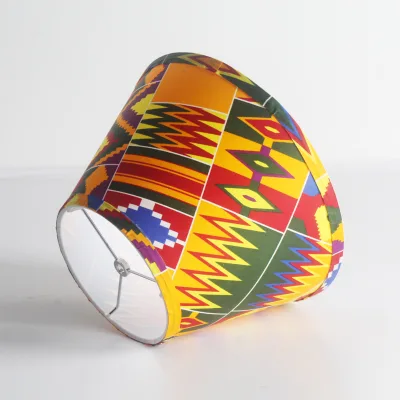


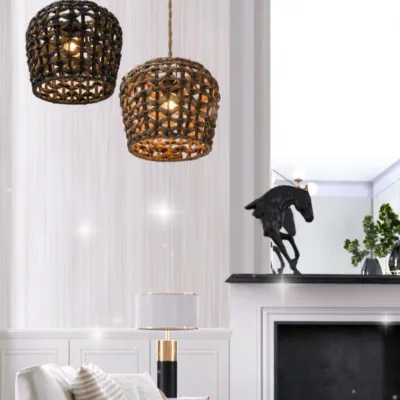
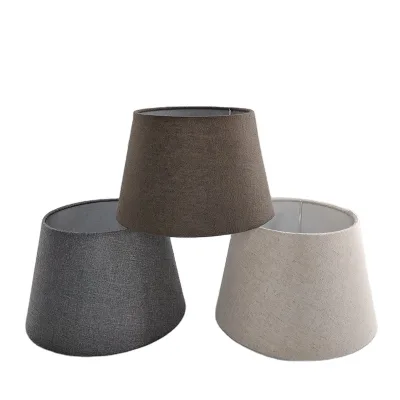
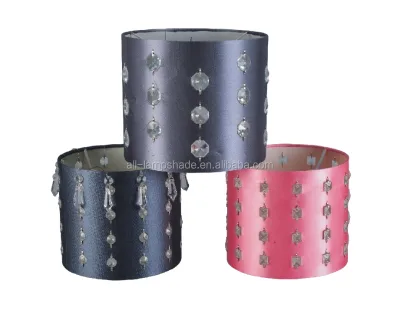




Comprehensive Sourcing Guide
Strategic Sourcing Guide for Handmade Velvet Green Lampshades
The global market for decorative lighting fixtures continues to evolve, with a distinct shift toward artisanal aesthetics and sustainable materials. For procurement professionals seeking a "handmade velvet green lampshade," the search parameters often intersect with specific manufacturing capabilities, material science, and rigorous quality assurance protocols. While the core keyword suggests a specific aesthetic—velvet texture in a green hue—the reality of B2B sourcing requires a deeper understanding of the supply chain dynamics, technical specifications, and compliance frameworks that govern this category. This guide provides a structured approach to evaluating potential suppliers and products, ensuring that the final procurement aligns with both design intent and operational requirements.
Understanding Material Composition and Technical Specifications
The foundation of any successful lighting procurement lies in the precise definition of material properties. When sourcing a velvet lampshade, the buyer must distinguish between the structural frame and the decorative covering. In the context of the available market data, frames are frequently constructed from iron, offering the necessary rigidity to maintain the shape of the shade while supporting the weight of the fabric. The specific frame color, often observed in listings as gray or ivory, serves as a neutral base that allows the velvet color to dominate the visual profile.
The velvet material itself presents unique challenges in manufacturing. Unlike synthetic PVC or linen options that may appear in broader lighting catalogs, velvet requires specific weaving techniques to achieve the desired pile depth and color saturation. The "green" specification implies a need for consistent dyeing processes, as color variations can be significant between production batches. Buyers should verify the fabric weight and density, as these factors directly influence light diffusion. A heavier velvet will cast a softer, more ambient glow, whereas a lighter weave may allow more direct light transmission.
Furthermore, the geometric shape of the lampshade is a critical technical parameter. While the market data indicates a prevalence of round and oval shapes, the specific dimensions must align with the intended fixture. For instance, a shade with a single package size of 18x33x20 cm suggests a compact design suitable for table lamps or small pendant fixtures. However, larger commercial applications may require custom dimensions, such as the 130x235x170 cm specification observed in other product lines, though this likely pertains to larger architectural lighting elements rather than standard lampshades. The buyer must confirm whether the "handmade" aspect allows for custom sizing or if the supplier operates within a fixed range of standard dimensions.
Compliance, Certification, and Safety Standards
Safety and regulatory compliance are non-negotiable in the lighting industry. When sourcing from international markets, particularly from regions like Guangdong and Fujian in China, buyers must ensure that all products meet the electrical and material safety standards of their destination market. The provided data highlights specific certifications such as RoHS, CE, and VDE. RoHS (Restriction of Hazardous Substances) is essential for ensuring that the materials used, including the velvet fabric and any adhesives, do not contain prohibited levels of lead, mercury, or other hazardous substances.
CE marking indicates conformity with health, safety, and environmental protection standards for products sold within the European Economic Area. VDE certification, a German standard, is particularly rigorous and often signals a high level of electrical safety, which is crucial if the lampshade is sold as part of a complete lighting assembly with integrated electrical components. However, it is important to note that many lampshades are sold as "without light source," meaning the certification requirements may focus on the materials and construction rather than the electrical wiring.
Buyers must verify the scope of these certifications. A certificate for a specific model number, such as E07081 or HHD-FB5030, does not automatically apply to all variations of a product line. If the buyer requests a custom green velvet shade, the supplier must demonstrate that the new colorway and material combination still comply with the relevant safety standards. Additionally, the "Lighting And Circuitry Design" service mentioned in the data suggests that some suppliers offer end-to-end solutions, which can simplify the compliance process by ensuring that the shade is compatible with the electrical design of the fixture.
Cost Drivers and Pricing Dynamics
The pricing of handmade velvet lampshades is influenced by a complex interplay of factors, including material costs, labor intensity, and order volume. The observed price range in the market spans from $0.03 to $68, a variance that reflects the difference between mass-produced items and high-end artisanal pieces. For a "handmade" product, the labor cost is a significant driver. The process of cutting, sewing, and finishing velvet requires skilled artisans, which increases the unit cost compared to machine-stamped alternatives.
The Minimum Order Quantity (MOQ) is another critical cost determinant. Data indicates MOQs ranging from 2 to 3000 pieces. For a buyer seeking a custom green velvet shade, an MOQ of 100 pieces is a common threshold, balancing the supplier's need for production efficiency with the buyer's inventory requirements. Higher order volumes typically result in lower unit costs due to economies of scale in material purchasing and production setup.
Supply ability also impacts pricing. A supplier with a capacity of 500 pieces per day can handle large orders more efficiently, potentially offering better rates for bulk purchases. Conversely, smaller suppliers with limited capacity may charge a premium for their exclusivity or for rush orders. The packaging details, such as "Normal Carton" or "Polybag and Carton," also contribute to the final cost, as specialized packaging for fragile or delicate items like velvet shades adds to the logistics expense. Buyers should request detailed cost breakdowns to understand how much of the price is attributed to materials versus labor and logistics.
Typical Applications and Design Integration
The application of a handmade velvet green lampshade extends beyond simple illumination; it serves as a key design element in interior spaces. The "Modern, Contemporary" and "Antique" styles noted in the market data suggest versatility in design integration. A green velvet shade can anchor a dining room, adding a touch of elegance and warmth, or it can be used in an office setting to create a calming atmosphere. The "Applicable Places" data points to dining rooms and offices, but the aesthetic potential is broader.
The "Beaming Angle" of 45° mentioned in the specifications is relevant for understanding light distribution. A narrower angle creates a focused pool of light, ideal for task lighting or accentuating specific architectural features, while a wider angle provides general ambient illumination. The choice of light source, whether incandescent or LED, also affects the final look. LED sources are increasingly preferred for their energy efficiency and longevity, but the color temperature of the LED must be compatible with the green hue of the velvet to avoid color distortion.
Customization is a significant advantage for buyers seeking unique designs. The ability to customize the logo, color, and surface pattern allows for brand alignment or specific interior design themes. For example, a hotel chain might request a specific shade of green velvet with their logo embroidered on the frame. The "Flat Packing" option is particularly useful for international shipping, reducing the volume and weight of the cargo, which in turn lowers shipping costs.
Supplier Evaluation and Capability Assessment
Selecting the right supplier is paramount to the success of the procurement. Buyers should evaluate potential partners based on their production capabilities, quality control processes, and track record. The "BSCI Audited" status mentioned in the data is a strong indicator of a supplier's commitment to social responsibility and ethical labor practices. This certification ensures that the factory adheres to standards regarding working conditions, which is increasingly important for brands with sustainability goals.
The "Supply Ability" of 500 pieces per day provides a baseline for production capacity, but buyers should also inquire about peak season performance and lead times. The "Port of dispatch" at Yantian is a major logistics hub, facilitating efficient shipping to global markets. However, the specific lead time for custom orders, such as a green velvet shade, may vary and should be confirmed before placing an order.
Quality control is another critical evaluation point. The "Quality: Supper Good" observation suggests a high standard, but buyers should request specific quality assurance protocols. This includes checking for consistent stitching, color fastness of the velvet, and the structural integrity of the iron frame. The "Warranty(Year): 1-Year" indicates the supplier's confidence in their product, but the terms of the warranty should be clearly understood, including what constitutes a defect and the process for claims.
Quality Control and Long-Term Procurement Considerations
Implementing a robust quality control (QC) strategy is essential for maintaining product standards. For handmade items, visual inspection is crucial to identify any inconsistencies in the velvet pile or frame finish. Buyers should consider hiring third-party inspection services to conduct pre-shipment inspections, ensuring that the goods meet the agreed-upon specifications before they leave the factory. This is particularly important for custom orders where the margin for error is low.
Long-term procurement considerations involve building a sustainable relationship with the supplier. The "Customization: Available" feature suggests a flexible partnership model, but buyers must ensure that the supplier can maintain consistency over time. This includes the ability to source the same grade of velvet and the same dye lot for future orders. The "Single gross weight" of 0.5 kg per unit is a key metric for logistics planning, affecting shipping costs and storage requirements.
Additionally, buyers should monitor market trends and material availability. The "Surface Pattern: Customer Design Acceptable" feature indicates a high level of flexibility, but it also requires clear communication of design expectations. As the market evolves, the demand for sustainable and eco-friendly materials may increase. Buyers should proactively discuss these requirements with suppliers to ensure that future products align with changing consumer preferences and regulatory landscapes.
In conclusion, sourcing a handmade velvet green lampshade requires a meticulous approach that balances aesthetic desires with technical and logistical realities. By focusing on material specifications, compliance, cost drivers, and supplier capabilities, buyers can navigate the complexities of the global lighting market and secure high-quality products that meet their specific needs. The provided data offers a solid foundation for this process, but continuous verification and clear communication remain the keys to successful procurement.
FAQs
Can I customize the color and logo for this lampshade?
Yes, customization is available for both color and logo. The product supports customized colors and logos, allowing buyers to align the shade with specific design themes or brand identities while maintaining the core structure.
What certifications does the lampshade meet for safety?
The product holds RoHS, CE, and VDE certifications. These standards ensure compliance with safety regulations regarding hazardous substances and electrical safety, which is critical for international distribution and market entry.
What is the minimum order quantity for this product?
The standard minimum order quantity is 100 pieces. This threshold balances production efficiency with buyer inventory needs, though other listings may show ranges from 2 to 3000 depending on the specific model.
Where is the product manufactured and shipped from?
The product originates from Guangdong, China, with dispatch ports at Yantian. This location provides access to major logistics hubs, facilitating efficient international shipping for orders placed by global buyers.
What materials are used for the frame and shade?
The frame is constructed from iron, while the shade material is specified as PVC or linen in different listings. This combination provides structural rigidity and varied aesthetic options for different lighting applications.
Does the lampshade come with a light source included?
The product is typically sold without a light source. Buyers must select compatible bulbs, such as incandescent or LED, to achieve the desired lighting effect and beaming angle for their specific fixture.
What is the supply ability for large orders?
The supplier has a supply ability of 500 pieces per day. This capacity supports bulk procurement needs, ensuring timely delivery for large projects while maintaining consistent quality standards across production batches.